
Have you ever wondered who builds the machines that make life easier? From car engines to factory machines, air conditioners, and water pumps — mechanical engineers in Ghana make it all happen. They design, fix, and maintain the machines we use every day.
In Ghana, mechanical engineers are in high demand because many industries rely on machines to work. Whether it’s in manufacturing, construction, mining, or energy, these engineers keep things running smoothly.
If you love solving problems, working with tools, or figuring out how machines work, then a career in mechanical engineering might be perfect for you.
At BlueFeeder Engineering, we help students and workers in Ghana learn practical mechanical skills through hands-on training. Our goal is simple — to help you become job-ready and confident in your engineering journey.
Who Is a Mechanical Engineer?
A mechanical engineer is someone who designs, builds, and maintains machines. They make sure machines work safely and efficiently. In Ghana, you’ll find mechanical engineers in power plants, factories, hospitals, construction companies, and even in the oil and gas sector.
These engineers understand how energy moves, how materials behave, and how to use technology to make systems better. They work with tools like motors, engines, turbines, and machines used for production or repairs.
For example, if a machine in a food factory stops working, it’s the mechanical engineer who fixes it. If a company wants to build a new processing plant, mechanical engineers help plan the systems that will run inside.
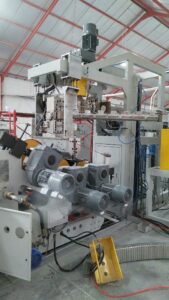
What Mechanical Engineers Do in Ghana Every Day
The job of a mechanical engineer is exciting because every day is different. Here are some of the things they do:
- Design Machines and Systems:
They create drawings and plans for new machines or upgrade old ones. - Test and Repair Machines:
They make sure machines are working properly and fix them when they break down. - Work on Energy Systems:
Many mechanical engineers in Ghana are helping design solar systems, cooling systems, and industrial process machines. - Install and Maintain Equipment:
They set up machines in factories, schools, or hospitals and make sure they are safe and efficient. - Train and Supervise Technicians:
They lead teams of technicians who do hands-on work like wiring, welding, or assembling machines.
In short, mechanical engineers are problem-solvers. They use math, science, and creativity to make life easier for everyone.
 Mechanical Engineers
Where Mechanical Engineers Work in Ghana
You can find mechanical engineers working in many sectors across Ghana, including:
- Manufacturing companies – producing food, drinks, or machines.
- Construction firms – working on building and equipment systems.
- Oil and Gas Companies – maintaining and designing equipment for energy projects.
- Mining industries – repairing heavy-duty machines and processing equipment.
- Hospitals and universities – keeping machines like air conditioners and lab equipment working.
- Renewable energy companies – building solar power and green energy systems.
Mechanical engineers play a big part in Ghana’s growth because every sector needs machines to work.
How to Become a Mechanical Engineer in Ghana
Becoming a mechanical engineer requires both study and practice. Here’s the usual path:
- Start with the right subjects:
Study Science, Mathematics, and Technical Drawing in SHS. - Get a diploma or degree:
Apply to universities or technical institutes like KNUST, Accra Technical University, or Takoradi Technical University. - Join a practical training centre:
This is where BlueFeeder Engineering comes in. We provide real-world, hands-on training that helps students understand how to apply what they’ve learned. - Gain work experience:
Internships and attachments help you gain confidence and prepare for real jobs. - Keep learning:
The best engineers never stop learning. They stay updated with new technology and tools.
Why Mechanical Engineering Is Important in Ghana
Mechanical engineers are vital for Ghana’s development. They help keep industries working, power systems efficient, and businesses growing. Without them, factories would stop, vehicles wouldn’t move, and machines would stay broken.
Ghana’s economy depends on engineering — and mechanical engineers are the backbone of that progress.
At BlueFeeder Engineering, we believe that training more skilled mechanical engineers is key to Ghana’s future. Our practical courses and hands-on workshops help students and workers gain the technical knowledge they need to thrive in industries across the country.
Salary of Mechanical Engineers in Ghana
The salary of a mechanical engineer in Ghana depends on experience and where you work. On average:
- Fresh graduates earn between GHS 3,000 – GHS 5,000 per month.
- Experienced engineers can earn between GHS 6,000 – GHS 12,000 per month.
- Senior engineers or managers in oil, mining, or energy companies can earn GHS 15,000 and above.
Those who combine training with certifications in automation or renewable energy earn even more. That’s why BlueFeeder Engineering encourages students to take extra short courses like Solar Power Installation and Industrial Process Automation Training.
Career Opportunities for Mechanical Engineers in Ghana
With mechanical engineering, you have many job options, such as:
- Maintenance Engineer
- Industrial Plant Technician
- HVAC Engineer (Heating, Ventilation & Air Conditioning)
- Solar Power Engineer
- Manufacturing Engineer
- Automobile Engineer
- Process Control Engineer
There are also opportunities to start your own business after gaining skills. For example, you could run a machine repair shop, a solar installation business, or an equipment servicing company.
How BlueFeeder Engineering Helps You
At BlueFeeder Engineering, we help young Ghanaians gain real technical skills that lead to jobs. Our Mechanical Engineering and Automation Training programs include:
- Electrical and Mechanical Installation Training
- Industrial Process Automation Training
- Solar Power Training
- Kitchen Equipment Repair Training
- Electrical Control Panel Fault Tracing
We use a simple, practical, and project-based approach. You don’t just learn theory — you build, test, and fix real machines.
Want to become a mechanical engineer in Ghana?
Contact BlueFeeder Engineering today at info@belgh.com or belgh.com/contact to start your training journey. Let's help you gain the skills to build a better future!
Final Thoughts
Mechanical engineers are the heartbeat of modern Ghana. They design, fix, and power the machines that keep our homes, hospitals, and industries working. If you’re curious about how things work or love solving real problems, then mechanical engineering is for you.
Start learning today with BlueFeeder Engineering — where we train Ghana’s next generation of skilled mechanical engineers through hands-on learning and real-world experience.
Call or visit BlueFeeder Engineering now and discover how you can start your career in mechanical engineering. Let’s build your future together — one machine at a time.